
Review · WINTER ACTIVITIES
Winter Trek
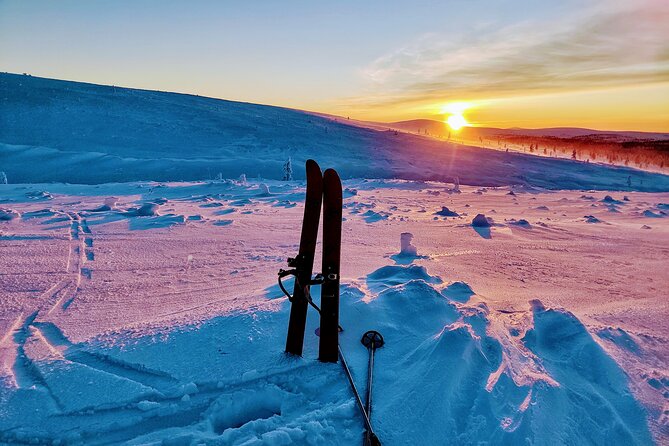
The best part of this six-hour winter trek is its quiet. You leave behind roads, buildings, and marked tracks, then move through untouched snow by snowshoe or modern forest ski. The forest can feel almost soundless, especially when the return begins in the dark.
I like the flexible equipment choice and the open-fire lunch, which make this more than a brisk walk in the snow. Guides such as Ossi, Juhani, and Emilia are associated with Xwander Nordic, and the company keeps groups to no more than 12. The main consideration is the weather: conditions shape the route, equipment, and sometimes the whole outing.
Key points to know before you book
- Untouched forest near Inari: You travel away from human-made structures and prepared tracks.
- Snowshoes or forest skis: The guide selects the best option for current snow conditions.
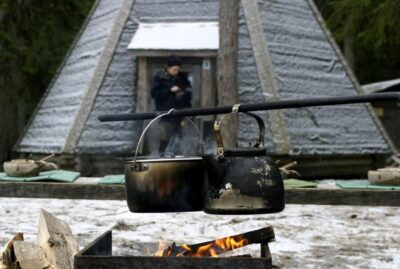
- Open-fire lunch: Food is prepared outdoors on a fire or camping stove, depending on the weather.
- Possible wildlife sightings: Willow grouse, reindeer, birds, and other animals may appear.
- Dark-forest return: A 9:00 am start can lead to a headlamp walk back as daylight fades.
- Small guided group: The maximum group size is 12, with most people able to participate.
Leaving Inari for the silent forest
You meet at Xwander Nordic, Ivalontie 12, in Inari at 9:00 am. The activity finishes at the same place, so you do not need to arrange a separate return transfer.
From there, the group heads into the forest. The appeal is not a famous viewpoint or a string of sightseeing stops. It is the steady change from ordinary winter scenery to a place with no buildings, paths, or obvious signs of people.
That distinction matters. In many winter activities around Lapland, you see the outdoors from a vehicle, a groomed trail, or a purpose-built camp. Here, the point is to move slowly through natural snow and pay attention to the woods around you. You may hear little apart from your own equipment and footsteps.
The route is not described as a fixed trail, which gives the guide room to respond to snow and weather. It also means you should not expect a predictable distance, landmark, or summit. This is a nature outing first, not a sightseeing circuit.
More Hiking Tours in Lapland:
- Rovaniemi: Hiking and Snowshoeing Adventure in Lapland
★ 4.4 · 753 reviews - From Helsinki: Nuuksio National Park Hiking Tour with Food
★ 4.9 · 379 reviews - Rovaniemi: Lapland Ski Trekking Safari
★ 4.7 · 224 reviews
Choosing between snowshoes and forest skis
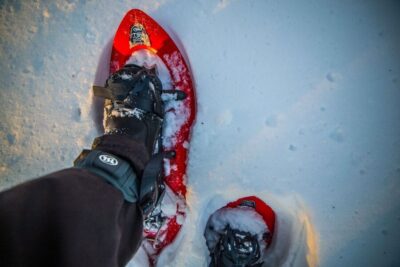
The guide decides whether the group uses snowshoes or skin-based forest skis. That is a useful approach in Lapland, where snow can vary widely from one part of the forest to another.
Snowshoes spread your weight over a larger surface, helping you stay on top of soft snow. Forest skis, fitted with skins, are designed for travel through woodland rather than fast gliding on a groomed ski track. Both choices let you move through snow without needing a prepared route.
You should expect a learning curve at the start. Snowshoes change your stride, and skis require more balance than walking. The supplied information does not promise a formal lesson, but the activity is guided, and most people can participate. The small group limit also gives the guide a better chance to keep different ability levels together.
One useful clue comes from an earlier Xwander outing in which seven people with different hiking abilities managed a route suited to the whole group. That does not guarantee the same pace or route on this trek, but it suggests the company is used to working with mixed groups.
Still, do not book this as a gentle stroll through a snow-covered park. You will be moving through deep winter conditions, using equipment that may feel unfamiliar. If you have limited fitness or mobility, ask the provider for current route details before booking.
What untouched winter forest really feels like
Once you move away from human-made structures, the forest becomes the main event. Snow covers the ground, branches, and smaller signs of life. The result is a spare, hushed setting where small details matter more than grand views.
The tour description points to willow grouse in their white winter plumage, reindeer grazing, and other birds or animals moving through the woods. These sightings are possibilities, not promises. You should enjoy the setting even if the animals stay out of sight.
I like this honest wildlife setup. There is no suggestion of a guaranteed animal encounter or a staged meeting. You are looking for signs of life in the animals’ own surroundings, and patience is part of the experience.
The forest can also feel physically different in midwinter. Snow softens your steps, and the stillness may seem almost complete. That quiet is valuable for anyone who finds ordinary sightseeing too busy or too scheduled. At the same time, people seeking constant activity may find the pace slow.
Your guide adds context along the way. Ossi is named as a kind and experienced guide with a strong interest in wildlife, while Juhani and Emilia are known within Xwander Nordic for organized, reliable guiding and a good sense of humor. Guide assignments can change, so treat these names as examples rather than a promise that one of them will lead your departure.
Lunch beside an open fire
The midday pause includes lunch prepared on an open fire or camping stove. The weather decides which method is used.
That meal is a small but important part of the day. It gives you time to stop, warm up, and take in the forest without trying to move through it. Eating outdoors also fits the tone of the trek better than returning to town for a standard restaurant lunch.
Do not expect a long restaurant-style break. The details of the menu are not provided, so you should confirm food arrangements if you have allergies, dietary restrictions, or strong meal requirements. The information does confirm that lunch is included as an on-the-go meal, with the cooking method adjusted for conditions.
The open fire may be the most memorable part for some people. In a cold forest, a flame changes the mood quickly. It gives the group a shared focus and makes the pause feel tied to the place, rather than simply being a break between activities.
Weather can also affect comfort. If conditions require a camping stove, you lose some of the atmosphere of a fire, but the practical goal remains the same: keep the meal possible and the group moving safely.
More Winter Activities in Lapland:
- Classic Wilderness Skiing in the Pyhä-Luosto National Park
★ 5.0 · 23 reviews - Explore Winter Woods: Snowshoe walk with local Biologist
★ 5.0 · 22 reviews - Winter Fatbiking in Ivalo (2 hours)
★ 4.5 · 8 reviews - Premium Wilderness Skiing in Pyhä-Luosto National Park
★ 5.0 · 4 reviews
The return walk after dark
The 9:00 am start is worth noting. In midwinter, daylight is limited, and the trek may be heading back as darkness arrives.
The final section with head torches is presented as part of the experience, not merely a delay. Snowshoeing or skiing in the dark changes the forest again. Your headlamp picks out nearby snow while making shadows beyond the beam appear larger and stranger.
This can be a striking finish, but it is also the part that deserves the most practical thought. You need to be comfortable moving over snow when visibility is reduced. The safety support of head torches is included in the plan, yet darkness can still make the route feel more demanding than the morning section.
The dark return also explains why this is not a short family walk that happens entirely in daylight. The exact amount of darkness depends on the season and conditions, but the description makes clear that it is a real possibility. If you prefer easy daylight walking, ask about the current timing before you commit.
For people who enjoy a little adventure, this is a strong feature. The forest feels less familiar at night, and the silence becomes more noticeable. You are not simply checking off another activity. You are paying attention to how the same place changes as light fades.
Group size, guiding, and the human side
The maximum group size is 12. That is large enough to create a social outing but small enough for a guide to keep track of the group in a remote setting.
The company describes its guides as multilingual, attentive, and friendly. The named guides connected with Xwander Nordic include Ossi, Juhani, and Emilia. Their roles in other Xwander trips point to a guiding style that mixes organization, humor, and local nature knowledge.
That matters here because the forest does not provide a simple marked route. You depend on the guide to choose equipment, manage the pace, respond to the weather, and keep the group together. A guide who can explain wildlife and local conditions adds much more value than someone who merely leads from the front.
A group of up to 12 can still feel different depending on attendance. A full departure may be less quiet than a small one, especially during lunch or equipment changes. The trade-off is that a larger group can make the outing feel more welcoming if you are traveling alone.
The activity states that most people can participate and that service animals are allowed. It is also near public transportation, though the information does not specify routes or schedules. Confirmation arrives at booking, so use that message to check any current meeting instructions.
Is $139 fair for six hours?
At $139, this is not the cheapest way to see snow in Lapland. The value depends on what you want from the day.
You are paying for roughly six hours, a guide, equipment selected for the snow, a remote forest route, lunch outdoors, and the chance to experience the return in darkness. If you tried to assemble those pieces yourself, you would need suitable snowshoes or skis, winter clothing, route planning, food, and enough confidence to travel away from marked tracks.
The price makes the most sense if you value guidance and a genuine wilderness setting. It is less convincing if you only want a quick introduction to snowshoeing or a guaranteed wildlife encounter. The outing is built around time in nature, not a list of major attractions.
The small-group limit helps the value. Twelve people is not a private tour, but it is more manageable than a large coach-based activity. The open-fire lunch also adds a useful pause rather than leaving you to arrange food during the day.
I would compare the cost with other six-hour Lapland activities by checking what they include. Equipment, meals, guide service, and transport can change the apparent price. Here, the meeting point is in Inari and the activity ends there, so you should account for getting yourself to Ivalontie 12.
Who should book this winter trek?
I would recommend it to you if you want a quiet, active day and like the idea of traveling through forest without prepared tracks. It suits people who would rather notice animal prints, snow-covered trees, and changing light than spend the whole day at a visitor center or on a motorized ride.
It is also a good choice for solo visitors and small groups who want company without joining a very large departure. The guide-led format removes much of the route planning, while the group size leaves room for a personal feel.
You should think twice if you dislike cold, uncertain weather, unfamiliar equipment, or darkness. The route and equipment depend on conditions, and the return may take place with head torches. This is a real winter outing, not a warm viewing platform with a short walk attached.
The activity requires good weather and a minimum number of participants. If Xwander Nordic cancels for either reason, you can choose another date or experience, or receive a full refund. You can cancel for a full refund up to 24 hours before the 9:00 am start. Changes or cancellations within 24 hours are not refunded.
Should you book it?
Book this trek if your ideal Lapland day includes quiet forest, practical outdoor skills, and a simple meal by the fire. The chance to see reindeer or willow grouse is a bonus, not the main reason to go.
Skip it if you want a fixed route, guaranteed animals, or a short activity finished before darkness. For everyone else, $139 is a reasonable price for six guided hours in a remote winter setting, provided you are ready for cold, changing conditions, and a little effort.
FAQ
Where does the winter trek start?
It starts at Xwander Nordic, Ivalontie 12, 99800 Inari, Finland.
What time does the activity begin?
The start time is 9:00 am.
Where does the trek finish?
The activity ends back at the meeting point at Xwander Nordic.
How long does the experience last?
The trek lasts approximately six hours.
Will I use snowshoes or skis?
You will use either snowshoes or modern skin-based forest skis. The choice depends on the snow conditions.
Is lunch included?
Yes. Lunch is prepared during the trek on an open fire or camping stove, depending on the weather.
What happens if the weather is poor?
If poor weather causes the activity to be canceled, you will be offered another date or a full refund. The same choice applies if the minimum number of participants is not reached.
Recently added around Lapland
- Private Snowshoeing Tour In Pyhätunturi With A Local Guide★ 5.0 · 3 reviews
- Capturing Auroras in Pyhä★ 4.5 · 3 reviews
- Arctic Darkness & Starlight Adventure with Snowshoes★ 5.0 · 3 reviews
- Snowmobile Safari in the Forest★ 4.5 · 3 reviews
- Private Northern Lights Tour With Skis Or Snowshoes in Pyhä★ 5.0 · 4 reviews
- Korouoma Canyon & Ranua Zoo Tour★ 5.0 · 4 reviews
- Premium Wilderness Skiing in Pyhä-Luosto National Park★ 5.0 · 4 reviews
- Arctic Fishing & Open Fire Cooking★ 5.0 · 5 reviews
Winter Activities, compared.

Browse the lists this tour appears in